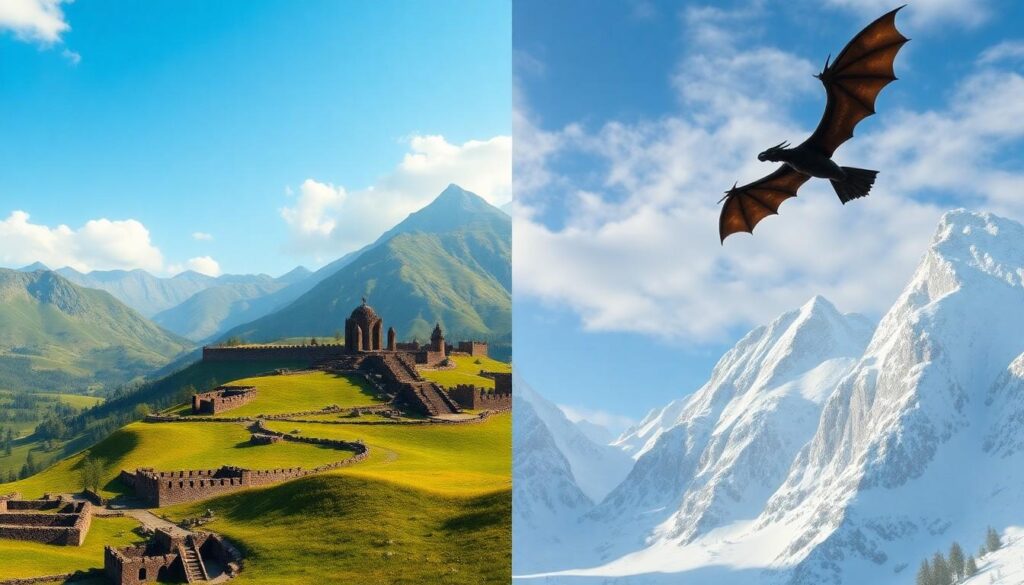
In the epic showdown of fantasy RPGs, two titans stand tall: Oblivion and Skyrim. Both games whisk players away to breathtaking worlds filled with dragons, magic, and more quests than anyone could realistically handle. But which one truly reigns supreme? Is it the nostalgic charm of Oblivion or the polished grandeur of Skyrim that steals the spotlight?
Imagine galloping through the lush landscapes of Cyrodiil, battling foes with a trusty sword, or exploring the snowy peaks of Skyrim, where dragons loom overhead. Each game offers a unique experience that keeps fans debating over which is better. So grab your potions and sharpen your swords, because this is a journey through Tamriel that promises laughter, nostalgia, and a few surprises along the way. Let’s dive into the age-old debate and settle once and for all: is Oblivion really better than Skyrim?
Overview of Oblivion and Skyrim
Oblivion and Skyrim represent two milestones in the realm of fantasy RPGs. Both games invite players to explore the rich, expansive world of Tamriel, each with unique features and experiences.
Key Features of Oblivion
Oblivion showcases a detailed open world filled with stunning landscapes, cities, and dungeons. Players engage in a robust character customization system that allows for unique builds. This RPG features a dynamic AI system, where NPCs follow daily routines, enhancing immersion. The main quest revolves around the threat of a Daedric invasion, prompting players to uncover the mysteries of the Oblivion gates. Skill leveling offers freedom in character progression, ensuring no two playthroughs feel the same.
Key Features of Skyrim
Skyrim introduces players to a breathtaking snowy landscape with towering mountains and diverse ecosystems. A refined combat system includes dual-wielding spells and weapons, creating more dynamic battles. The game emphasizes a rich narrative with branching storylines, allowing players to shape their experience. Dragons add an epic element, with encounters that vary throughout the game. Skyrim’s crafting systems, such as alchemy and smithing, provide robust options for gear customization and personal play style.
Graphics and Visuals

Graphics and visuals play a pivotal role in defining the atmosphere of Oblivion and Skyrim. Both games present unique artistic styles that cater to different player preferences.
Comparing Artistic Styles
Oblivion showcases a more colorful, vibrant aesthetic, with lush landscapes and detailed character models crafted in a fantasy setting. Its use of a painterly art style enhances the dreamlike quality of the game. Skyrim, on the other hand, leans towards a more realistic presentation, featuring rugged terrains and atmospheric lighting effects that highlight its Nordic inspiration. The weather effects in Skyrim create an immersive experience, adding depth to the snowy mountains and valleys. Each game’s artistic direction cultivates distinct emotional responses in players, making the comparison intriguing.
Impact of Graphics on Gameplay Experience
Graphics significantly influence gameplay experience in both titles. Oblivion’s visuals provide a sense of wonder as players explore the expansive world, feeling drawn into its vivid environments. Vibrant colors and distinct character designs breathe life into quests and encounters. In contrast, Skyrim’s realistic graphics enhance immersion, emphasizing its epic narrative through dramatic landscapes. Detailed animations in combat sequences contribute to a more engaging experience during battles. Overall, both games offer compelling visuals, yet they deliver different emotional impacts that resonate with players.
Gameplay Mechanics
Gameplay mechanics define the experiences players enjoy in both Oblivion and Skyrim. Each game offers unique features that engage players in different ways.
Character Creation and Customization
Oblivion allows in-depth character creation, enabling players to choose from various races and classes. Customization options include unique attributes and skills that lead to diverse character builds. Players can also tweak physical appearances, affecting interactions throughout the game. Skyrim simplifies the system while still offering substantial freedom. Character models display enhanced details, and players can select from a range of races and create distinct looks. Skill trees grant further specialization, encouraging unique playstyles. Both games enhance player identity through their character systems, catering to varying preferences.
Combat Systems
Combat in Oblivion emphasizes a blend of melee and magic. Players engage in real-time battles using swords, bows, or spells, relying heavily on timing and skill. The game features a leveling system that increases character abilities, affecting combat effectiveness over time. In contrast, Skyrim refines combat dynamics, introducing dual-wielding mechanics. Players can equip spells in each hand, promoting strategic variety. Additionally, the game incorporates shouts that add an extra layer to encounters. Combat in Skyrim feels fluid and fast-paced, with improved animation quality. Both games offer rewarding experiences, yet their combat systems cater to different player strategies.
Story and Quests
Both Oblivion and Skyrim feature intricate storylines and quests that draw players into their rich narratives. Each game offers unique experiences shaped by their plots and side quests.
Main Plotlines
Oblivion’s main quest focuses on thwarting a Daedric invasion by closing the gates to the realm of Madness. Players embark on a journey alongside iconic characters like Martin Septim, who becomes essential to the story’s progression. Critical moments include navigating through perilous realms and rescuing captives. In contrast, Skyrim’s narrative centers around the return of dragons, with players adopting the mantle of the Dragonborn. The quest to confront Alduin, the World-Eater, brings players face to face with their destiny. Key events involve gathering allies and choosing how to handle various factions, offering depth and player agency.
Side Quests and Lore
Oblivion contains a wealth of side quests that enrich the game world, including the Dark Brotherhood and the Thieves Guild. These quests explore themes of morality and betrayal while providing lore about Tamriel’s history. Players can uncover hidden stories through dialogue and exploration, adding layers to the main narrative. Skyrim also features numerous side quests, such as the Companions and Dawnguard. Engaging NPCs allows players to delve into the game’s lore, exploring the relationships among the various races of Tamriel. Each side quest in Skyrim presents opportunities for character development and world-building, ensuring players stay invested in the story.
World Design and Exploration
World design and exploration form crucial aspects of both Oblivion and Skyrim. Each game presents a vast and immersive environment for players to traverse.
Scale and Diversity of Environments
Oblivion boasts sprawling landscapes, featuring rolling hills, lush forests, and vibrant cities. This design encourages exploration, allowing players to discover hidden caves and ancient ruins. In contrast, Skyrim provides a varied terrain, including snowy mountains, dense woodlands, and river valleys. Such diversity enhances immersion, inviting players to experience the vastness of Tamriel. Biomes within both games influence gameplay, compelling players to adapt strategies based on their surroundings. Oblivion’s distinct regions offer a sense of wonder, while Skyrim’s environments emphasize realism. Both titles deliver expansive worlds, yet their unique designs cater to different player preferences.
Interactive Elements and NPCs
Interactive elements greatly enrich the gameplay experience in Oblivion and Skyrim. Immersive NPC routines in Oblivion create a living world, where characters follow daily schedules. This design fosters engagement, as players can develop relationships with residents. On the other hand, Skyrim features enhanced character interactions, amplifying quest engagement. NPCs offer dynamic dialogue options, allowing players to shape conversations and influence outcomes. Both games utilize quests to deepen connections between players and NPCs. Oblivion sparks curiosity with its diverse characters, while Skyrim’s depth fosters emotional investment. Interactive elements in both titles elevate the sense of existence within their respective worlds.
Community and Modding
Both Oblivion and Skyrim boast vibrant modding communities that enhance gameplay experiences. Players create modifications that expand features and improve graphics, offering endless possibilities for both games.
Popular Mods for Oblivion
The popular mod, Oscuro’s Oblivion Overhaul, transforms gameplay by balancing difficulty and enriching the leveling system. Many prefer Fran’s Baldur’s Gate Inspired Mod, which adds new weapons and armor, bringing excitement to character customization. Another noteworthy mod, Martigen’s Monster Mod, introduces new creatures and challenges, enriching exploration and combat. These mods breathe new life into Oblivion, allowing players to tailor their adventures.
Popular Mods for Skyrim
Among the top mods for Skyrim, SkyUI streamlines inventory management, enhancing user experience with a more intuitive interface. Players favor Static Mesh Improvement Mod as it significantly improves the visual quality of objects throughout the game. Additionally, Falskaar is a notable quest mod that offers an expansive story and new locations, engaging players for hours. These modifications elevate Skyrim’s immersive world, giving players the tools to enhance their adventures further.
Conclusion
The debate over whether Oblivion is better than Skyrim ultimately hinges on personal preference. Each game offers unique strengths that cater to different tastes. Oblivion’s nostalgic charm and intricate world design appeal to those who appreciate depth and rich character customization. On the other hand, Skyrim’s refined gameplay mechanics and immersive storytelling attract players seeking a more polished experience.
Both games have left an indelible mark on the RPG genre and continue to inspire a passionate community. Whether players find themselves drawn to the vibrant landscapes of Oblivion or the snowy peaks of Skyrim, the journey through Tamriel remains a captivating adventure. Each title stands as a testament to the creativity and innovation that defines the world of gaming.