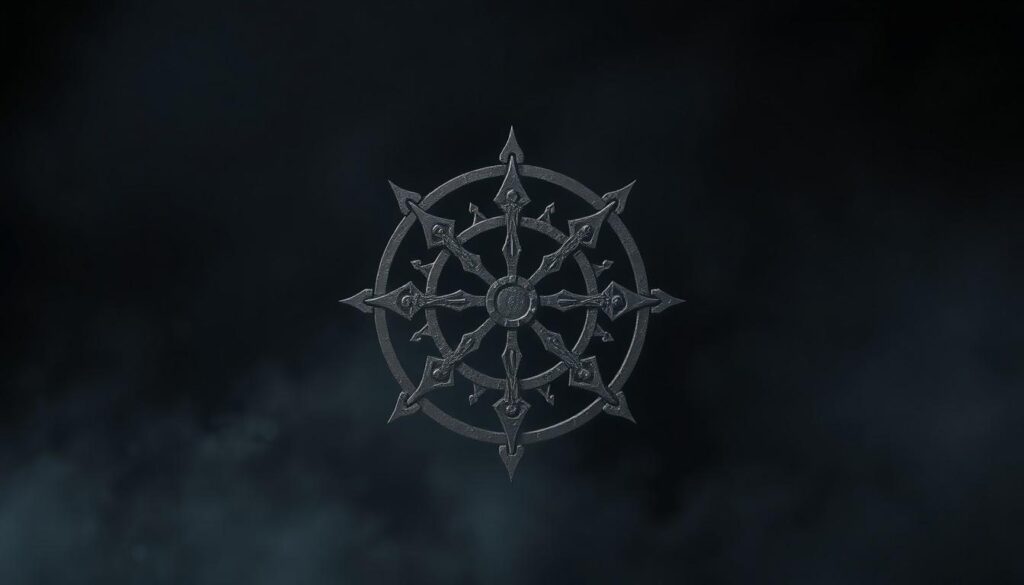
In a world where symbols speak louder than words, the oblivion symbol stands out like a quirky friend at a formal dinner party. It’s not just a design; it’s a bold statement that captures the essence of the unknown and the allure of the mysterious. Whether it’s gracing a piece of art or lurking in the shadows of a video game, this symbol invites curiosity and contemplation.
Overview Of The Oblivion Symbol
The oblivion symbol represents the unknown and mysterious aspects of existence. Artists and designers use this symbol to invoke feelings of curiosity and contemplation. Many associate it with themes of separation and the void. Various cultures interpret the symbol differently, but common themes of fear and fascination persist.
In visual media, the oblivion symbol often serves as a motif that enhances narratives and deepens characters. It appears prominently in video games, where it brings elements of mystery to gameplay. For instance, its presence in the “Elder Scrolls” series connects players to worlds beyond their comprehension. The symbol’s inclusion sparks interest and encourages exploration of hidden truths.
Scholars study the oblivion symbol’s impact on emotional and psychological responses in audiences. The symbol’s ambiguity makes it a powerful tool for storytelling and artistic expression. By evoking deep questions about life and existence, it challenges viewers to reflect on their perceptions.
Notably, various interpretations exist throughout art history, making the oblivion symbol a versatile element. Its adaptability allows it to fit into many themes, from existentialism to fantasy. As a result, the symbol continues to capture the imagination of artists, gamers, and audiences alike.
Historical Significance

The oblivion symbol possesses deep historical significance across cultures. Various interpretations offer insights into its representation of the unknown.
Origins Of The Symbol
Roots of the oblivion symbol trace back to ancient civilizations. Early cultures associated it with the void, often connecting it to concepts of death, rebirth, and transformation. In Western esotericism, the symbol signifies the transition between the physical and metaphysical realms. Notably, its use in philosophy reflects existential questions about life and the universe. Various artifacts and texts underscore its foundational importance in human thought, leading to its adoption in modern art and media.
Cultural Interpretations
Interpretations of the oblivion symbol vary widely among cultures. In some Eastern traditions, it embodies detachment and serenity, illustrating the concept of impermanence. Alternatively, Western perspectives often view it through a lens of fear and uncertainty. This divergence reflects differing attitudes toward the unknown. Additionally, in contemporary narratives, the symbol has emerged as a representation of conflict within the human psyche, prompting exploration of inner demons or struggles. Ultimately, its multifaceted meanings ensure relevance in discussions of identity, existence, and creativity.
Usage In Modern Media
The oblivion symbol appears prominently across various forms of modern media, particularly captivating audiences with its enigmatic nature.
Video Games
Video games like the “Elder Scrolls” series feature the oblivion symbol extensively. This symbol contributes to immersive storytelling by representing vast, unexplored realms. Players encounter it during epic quests, invoking curiosity and a drive to uncover hidden narratives. The symbol enhances character arcs, as characters grapple with existential themes tied to the void. Its presence stimulates emotional engagement, urging players to confront their own fears and uncertainties. Titles within the fantasy genre frequently leverage the oblivion symbol to emphasize themes of transformation and conflict.
Literature
Literature explores the oblivion symbol as a metaphor for existential dilemmas. Authors utilize the symbol to delve into complex themes like identity and the human experience. Works often reflect on the void, illustrating characters’ internal conflicts and struggles with meaning. The symbol fosters a sense of ambiguity, inviting readers to interpret its significance in diverse ways. This multifaceted approach allows writers to engage audiences deeply, prompting reflections on mortality and the quest for understanding. Contemporary novels increasingly incorporate the oblivion symbol to resonate with themes of separation and the search for self amidst chaos.
Symbolism And Meaning
The oblivion symbol carries deep symbolism linked to unknown realms and existential themes. It evokes a range of psychological and philosophical responses.
Psychological Implications
This symbol significantly influences emotional states. It often stirs feelings of fear, curiosity, and introspection. Many individuals contemplate their own fears and existential dilemmas when encountering the symbol. Such emotional engagement can spark intense reflection about personal experiences and aspirations. Players in video games report feeling drawn to explore hidden truths and confront their internal struggles upon seeing the oblivion symbol. Scholars note its role as a powerful catalyst for exploring human fears and desires. Therefore, it provides a unique avenue for self-discovery, inviting deeper understanding of the psyche.
Philosophical Insights
Philosophically, the oblivion symbol addresses the complexities of existence. It raises questions about life, death, and the transition between the two states. Many interpretations highlight its embodiment of life’s uncertainties and the search for meaning. Different cultures approach the symbol through their unique lens, which can influence personal philosophies. For instance, Eastern traditions often associate it with serenity and detachment, while Western philosophies emphasize fear and the unknown. This divergence in interpretation facilitates robust discussions on identity, purpose, and the nature of reality. Ultimately, the oblivion symbol invites contemplation of profound questions regarding humanity’s place in the universe.
Conclusion
The oblivion symbol stands as a testament to humanity’s fascination with the unknown. Its rich historical roots and diverse cultural interpretations reveal a complex relationship with themes of existence and identity. Whether in art or modern media, it challenges individuals to confront their fears and explore the depths of their psyche.
As it continues to inspire artists and storytellers alike, the symbol remains relevant in contemporary discussions about life and the universe. Its ability to evoke curiosity and introspection ensures that the oblivion symbol will endure as a powerful emblem of the mysteries that lie beyond our understanding.