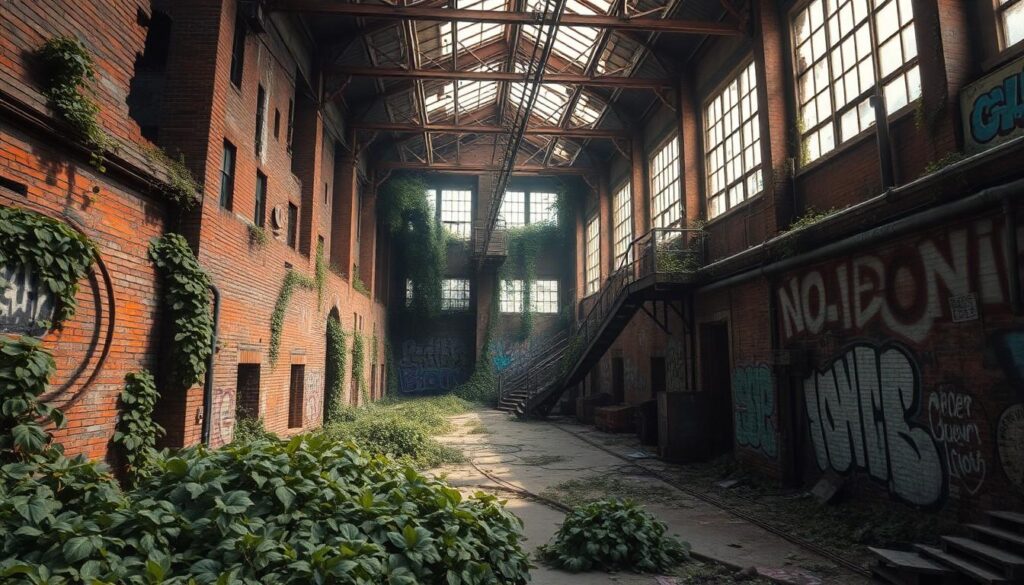
Imagine wandering through a city that time forgot, where nature reclaims its territory and stories linger in the air like ghosts of the past. Welcome to the world of oblivion cities—those hauntingly beautiful places that once thrived with life but now stand as silent witnesses to history. These forgotten urban landscapes are not just remnants; they’re a treasure trove of mystery and adventure waiting to be explored.
From the crumbling facades of abandoned factories to the overgrown streets of long-lost neighborhoods, oblivion cities offer a unique glimpse into what happens when humanity moves on. They challenge our perceptions of progress and remind us that even the most vibrant hubs can fade into obscurity. So grab your explorer’s hat and get ready to dive into the captivating tales of these urban enigmas—who knows what secrets they might reveal?
Overview of Oblivion Cities
Oblivion cities represent urban spaces that once thrived with life but now lie in decay. These cities serve as markers of forgotten histories, each with unique remnants that tell stories of past communities. Dense vegetation envelops crumbling buildings, showcasing nature’s reclamation of space. Fascinating remnants of industrial infrastructure, such as factories and warehouses, hint at previous economic vitality.
Historical significance permeates these locations. Many were abandoned due to economic downturns, natural disasters, or urban sprawl. Visitors find themselves lured by the allure of exploring pathways that echo former bustling streets. Urban explorers often document their findings, sharing glimpses of what life once looked like through photographs and narratives. Fascination grows as they reveal hidden aspects of community decisions and cultural shifts over time.
Abandoned homes stand eerily silent, filled with artifacts that spark curiosity about the inhabitants’ lives. Empty schools and hospitals illustrate the abrupt departures of once devoted citizens. These structures narrate tales of resilience and abandonment, showcasing the juxtaposition between aspiration and the effects of neglect.
Moreover, these cities often become sites for art and cultural expression. Street artists frequently adorn the walls with murals, breathing new life into desolation. Popularity increases as art draws attention to the significance of preserving these spaces. Exploring oblivion cities drives home the importance of acknowledging history while prompting conversations about sustainability and urban planning.
Oblivion cities act as both haunting reminders and vibrant canvases. They invite exploration and reflection, prompting deeper connections to history and the narratives that emerge from it.
Historical Context

Oblivion cities reveal layers of history shaped by economic, social, and environmental factors. These urban landscapes once buzzed with life but now stand as relics of what was.
Origins and Development
Many oblivion cities trace their origins back to the industrial era. Factories and railroads spurred growth, attracting populations seeking job opportunities. Economic shifts, such as deindustrialization, often triggered decline, leading to rampant unemployment and outmigration. Natural disasters also played a role in the abandonment of these sites. Fires, floods, and earthquakes devastated communities, causing residents to flee. Urban sprawl compounded these issues, resulting in entire neighborhoods falling into disuse. The juxtaposition of thriving pasts and abandoned present forms the foundation of these cities’ narratives.
Cultural Significance
Cultural expressions emerge vividly within oblivion cities. Artists find inspiration in decay, transforming vacant spaces into canvases rich with meaning. Street art serves as a powerful commentary on societal changes and resilience. These expressions reflect collective memories, capturing the essence of lost communities. Exploration has become a cultural phenomenon, drawing individuals eager to document and interpret the past. Local folklore often intertwines with these abandoned spaces, adding depth to their histories. As such, oblivion cities promote discussions on preservation, sustainability, and the importance of community identity amidst change.
Key Characteristics of Oblivion Cities
Oblivion cities showcase a unique blend of architectural and social elements that narrate their stories. Each characteristic paints a vivid picture of what these cities once represented.
Architectural Features
Architectural styles vary widely across oblivion cities, reflecting diverse historical periods and cultural influences. Many buildings, from grandiose factories to quaint residential homes, reveal intricate designs that once stood proud. Abandoned schools often feature tall windows and brick facades, emphasizing the educational heritage of these communities. Crumbling structures exhibit decay yet retain an eerie beauty, with nature encroaching and reclaiming the space. Iconic landmarks, such as defunct theaters and churches, offer insight into the social life that thrived within. Those remnants act as time capsules, showcasing past craftsmanship and urban planning ideals.
Social Structure
Social dynamics in oblivion cities shifted dramatically over time, influenced by economic prosperity and decline. Once bustling neighborhoods experienced lively interactions, fostering a sense of community and belonging. Factors like industrial growth attracted a diverse population, which led to vibrant cultural exchanges. Gradual abandonment left behind fragmented social ties, where once-active churches and schools fell silent. Memories of communal events linger in the cracks of the pavement and the hollow echoes of empty streets. The eventual isolation resulted in complex narratives about resilience, adaptation, and cultural memory that persist in these forgotten places.
Examples of Notable Oblivion Cities
Several oblivion cities exemplify the haunting beauty of abandoned urban landscapes. Each location offers a unique glimpse into history and the stories of communities long gone.
City 1
Pripyat, Ukraine, stands as a stark reminder of the Chernobyl disaster. Founded in 1970, it once hosted over 49,000 residents. The city, abandoned in 1986, remains frozen in time, with deteriorating buildings and overgrown vegetation. Iconic structures, like the amusement park and the giant Ferris wheel, symbolize the abrupt halt to life. Urban explorers document the city’s eerie stillness, capturing haunting photographs that reveal the gradual takeover by nature.
City 2
Detroit, Michigan, showcases a different narrative of decline. Once the heartbeat of the American auto industry, the city faced significant population loss starting in the 1950s. Throughout the years, factory closures and economic downturns contributed to widespread abandonment. The ruins of the Packard Plant and countless homes tell stories of a vibrant community reduced to remnants. Street art now thrives, transforming dilapidated spaces into powerful expressions of resilience and change.
The Impact of Oblivion Cities on Modern Society
Oblivion cities influence modern society in several profound ways. They evoke curiosity about historical contexts that shaped contemporary urban development. Urban explorers and photographers document these places, sharing insights that educate the public about past communities and their decisions. Their stories encourage discussions around urban decay, prompting a reevaluation of value in abandoned spaces.
Economic factors play a significant role; the decline of manufacturing in regions like Detroit showcases challenges of deindustrialization. Shrinking job markets lead to population loss, creating ghost towns that symbolize broader economic shifts. Cultural narratives emerge from these cities, highlighting resilience among communities that once thrived within them.
Art also flourishes in these abandoned landscapes. Artists transform crumbling walls into canvases for social commentary, addressing issues like gentrification and environmental sustainability. Vibrant street art contributes to conversations around community identity, turning neglect into creative expression.
Architectural remnants offer insights into the past. Different styles tell stories of craftsmanship and innovation, providing a visual history that contrasts with the current state of decay. Structures such as theaters and factories become focal points for exploration, representing not only loss but also potential for revival.
Social dynamics shift dramatically within oblivion cities. Once lively neighborhoods experience disintegration, resulting in fragmented communities that grapple with their identities. Yet, these narratives of abandonment often inspire reimagined futures, urging society to engage in preservation efforts.
Ultimately, oblivion cities serve as critical case studies reflecting societal change. Their existence challenges inhabitants to reflect on history and renewal while inspiring future urban planning that values and rehabilitates overlooked spaces.
Conclusion
Oblivion cities stand as powerful reminders of the past and the complexities of human existence. They encapsulate stories of resilience and neglect while inviting exploration and reflection. As nature reclaims these spaces, they transform into vibrant canvases for artistic expression, sparking conversations about history and community identity.
The narratives woven into the fabric of these abandoned landscapes challenge society to consider the implications of urban decay and the importance of preservation. By engaging with these forgotten places, individuals can foster a deeper connection to their histories and inspire new visions for urban development. Oblivion cities not only highlight the passage of time but also serve as catalysts for change, urging communities to rethink their relationship with space and memory.